The Domino Effect of Sitting

In a screen-dominated world, the average adult sits for 8–10 hours a day — at desks, in cars or on couches. What feels like a harmless habit actually triggers a dangerous “domino effect.” One small physiological change sets off a chain reaction, slowly undermining your metabolism, circulation, muscles and even mental health. Over time, this increases the risk of obesity, diabetes, heart disease, chronic pain and overall dysfunction. Understanding this chain reaction is the first step toward breaking it.
Metabolic Dysfunction and Muscular Atrophy
The moment you sit for long stretches, your largest muscles, especially in the legs and glutes, go quiet. Your metabolic rate drops, meaning your body burns fewer calories. Enzymes that normally help process blood sugar and fats, such as lipoprotein lipase, cease to function. Blood flow slows, particularly in the lower body, and insulin sensitivity declines. Even a single day of prolonged sitting can reduce your insulin response.
Acceleration Effect
As muscles weaken, “gluteal amnesia” sets in, hip flexors tighten and posture collapses. This strains the spine, compresses lumbar discs and triggers chronic back and neck pain, tension headaches and forward-head posture. Poor circulation causes blood to pool in the legs, which can lead to varicose veins or, in extreme cases, deep vein thrombosis that can travel to the lungs.
Meanwhile, unused calories are stored as fat, especially around the waist. Insulin resistance rises, blood sugar spikes and the pancreas becomes overworked. Within days or weeks, these changes can develop into full-blown metabolic syndrome: high blood pressure, unhealthy cholesterol and excess abdominal fat. The dominoes keep falling, heart disease risk rises and mental health suffers as reduced blood flow limits mood-boosting hormones, contributing to anxiety and depression.
Long-term Repercussions
Left unchecked, this chain reaction shortens life expectancy and diminishes quality of life. Bones weaken, lung capacity shrinks and dementia risk increases. The body, designed for movement, begins to deteriorate from disuse.
Breaking the Chain
Just like a row of dominoes, this momentum can be stopped — but it’s better to act sooner rather than later. Some of the most effective steps you can take before even stepping foot in a gym include:
- Move every 30 minutes: Stand, walk or stretch for two to five minutes
- Even a slow two-minute walk helps reset blood sugar and improve circulation
- Try the “20-8-2” rule: sit for 20 minutes, stand for eight and move for two
- Use a standing desk or alternate positions: Take calls while standing, hold walking meetings or consider an adjustable desk
- Incorporate “exercise snacks”: Desk squats, shoulder rolls, hip flexor stretches, or cat-cow poses can help
- Walk during lunch or park farther away
- Join our team for a 10-minute daily chair flow, offered virtually at 11:10 a.m. or 2 p.m. ET
- Aim for 60 to 75 minutes of moderate activity daily (such as brisk walking): This can offset many risks of prolonged sitting
- Optimize posture and ergonomics: Keep your feet flat, position your monitor at eye level and use lumbar support
- Build NEAT (non-exercise activity thermogenesis) into your routine: Take the stairs, walk while thinking or use an active chair, such as a stability ball, for short periods
Even highly active people benefit from reducing total sitting time, especially if it exceeds 10 hours a day. Apps and smartwatch reminders make these habits easier to maintain.
The domino effect of sitting is powerful — but so is your ability to stop it. Start with easy steps to get the ball rolling. Over time, these small actions rebuild metabolic health, strengthen muscles, protect your heart and boost your mood. Your body was made to move. Give it the chance, and the dominoes will fall in the right direction. Small changes today can add healthy, vibrant years to your life tomorrow!
About the author
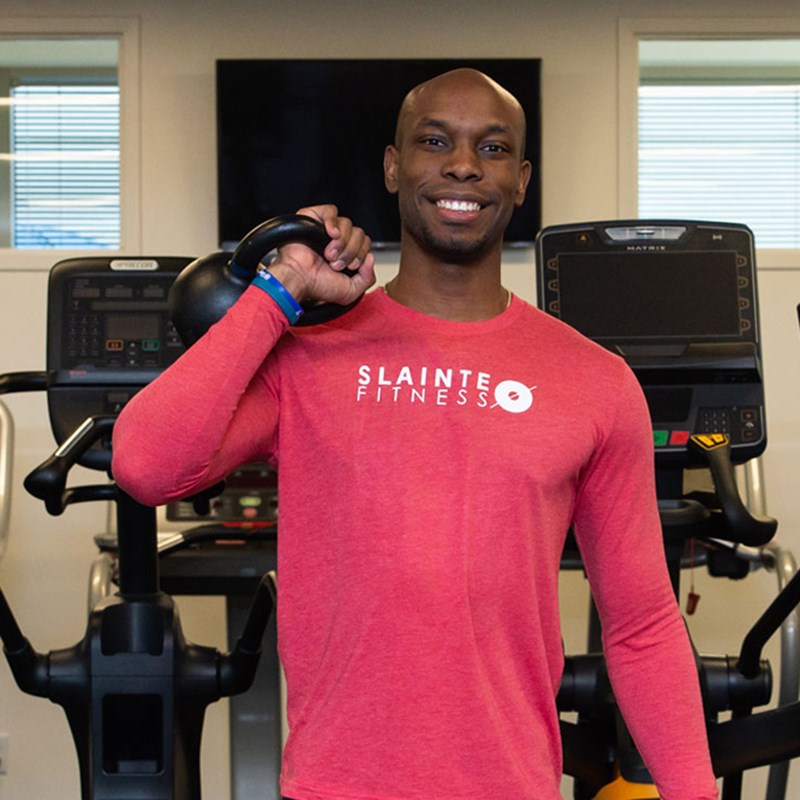
Mr. Davon Randolph is a Fitness and Wellness Specialist in the Slainte Fitness Center at USLI. Mr. Randolph is passionate about helping others learn to enjoy exercising within their own capacity and teaching them that physically pushing their limits can be both fun and rewarding. He is also heavily interested in utilizing corrective exercise to help clients move well for life.