Importance of Mobility Training

Mobility is the ability to move joints through their full range of motion pain free, with ease and control, combining flexibility, strength and balance. You can see mobility in action during everyday tasks, from bending to tie your shoes to playing sports, and it plays a key role in overall quality of life.
This article explores why mobility matters not just for sports but for daily living, and how it can be enhanced with proven recovery methods such as foam rolling, massage guns and cold plunges. These tools not only improve mobility but also speed recovery from workouts or daily strain, supporting a lifestyle of longevity.
What Is Mobility and Why Does It Matter?
Mobility goes beyond flexibility; it’s about functional movement that allows your body to perform efficiently without pain or restriction. Joint mobility depends on the muscles that stabilize them and the connective tissues that provide elasticity. Poor mobility can stem from sedentary lifestyles, injuries or aging, leading to reduced circulation, inflammation and chronic pain. Maintaining full joint mobility reduces day-to-day discomfort, enhances quality of life and helps prevent conditions such as arthritis or falls.
A real-world example of mobility in action is a bodyweight squat. Anytime you lift something from the ground or even sit down, a squat is involved. If this movement is neglected and paired with a sedentary lifestyle, the lower body musculature can weaken, causing hip and knee instability and increasing the risk of lower back injury.
Improving Your Mobility
Four resources the Slainte team offers to improve your mobility include:
- On-demand Mobility Sequences: Choose the area of focus and follow along. Performing these regularly helps create lasting change.
- Group Exercise Classes
- Mobility Training Class: Join the Slainte team virtually at 7 a.m. ET for our weekly session. This session includes a 15-minute full-body foam roll, followed by mobility sequences and activations targeting the hips and thoracic spine.
- Yoga: Several virtual yoga classes are available throughout the week. Check the group exercise schedule and click the link to join!
- Mobility Programs: The team hosts small-group and virtual mobility programs throughout the year. Stay tuned for our 2026 sessions!
The Science Behind Mobility and Recovery Integration
Research highlights the impact of mobility on overall health. According to the National Institutes of Health (NIH), increasing joint mobility improves circulation, reduces inflammation and helps prevent chronic pain. Another NIH study links better mobility to lower rates of anxiety and depression. Those with major mobility difficulties report frequent emotional distress at 30.6%, compared with 3.8% for others. Among older adults, one in four faces mobility challenges, highlighting the need for proactive strategies.
Exploring Key Recovery Techniques
Recovery methods amplify mobility benefits by addressing post-activity soreness and stiffness:
- Foam rolling: Self-myofascial release that alleviates muscle fatigue, reduces soreness and enhances flexibility
- Massage guns: Provide percussive therapy to improve range of motion and reduce pain
- Cold plunges: Reduce muscle soreness and inflammation, allowing faster return to activity
Recovery tools can greatly complement mobility. Below are a few recovery modalities and ways to use them alongside mobility training.
|
Technique |
Benefits |
How to Use |
Best For |
|
Foam rolling |
Reduces soreness, improves flexibility |
Roll slowly over muscles, 1-2 min/area |
Post-workout recovery |
|
Massage gun |
Eases pain |
Apply to tense spots, 30-60 sec |
Quick relief, implementing challenging stretches and movements |
|
Cold plunge |
Lowers inflammation, speeds recovery |
Immerse 2-5 min in cold water |
Post-workout recovery |
|
Heat therapy |
Relaxes muscles, enhances mobility |
15-20 min sessions |
Pre-mobility warm-up, chronic stiffness |
This week, make mobility a priority and try at least one of our mobility sequences. Your joints will thank you.
About the author
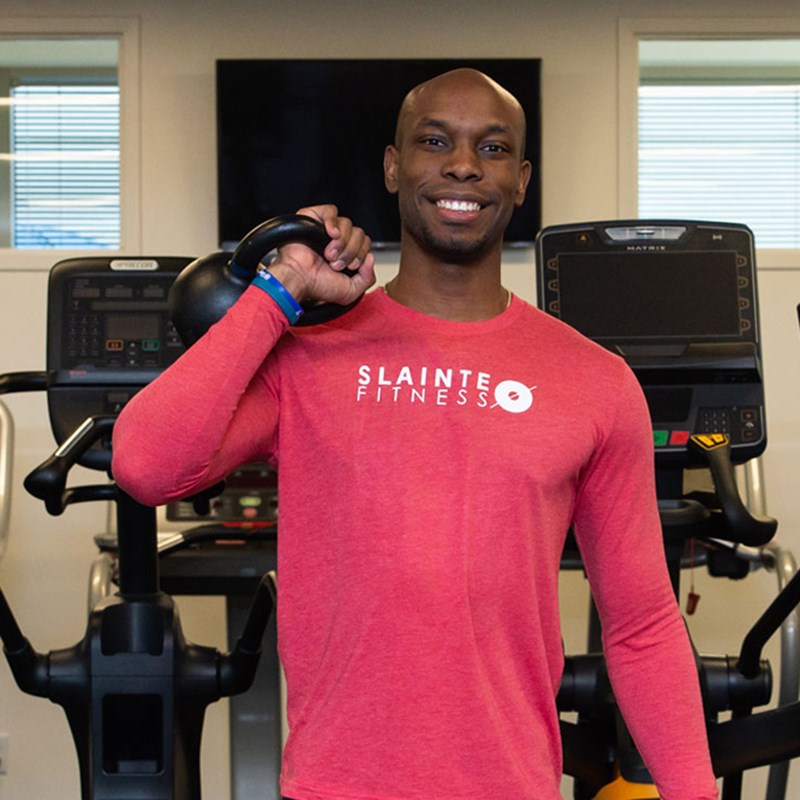
Mr. Davon Randolph is a Fitness and Wellness Specialist in the Slainte Fitness Center at USLI. Mr. Randolph is passionate about helping others learn to enjoy exercising within their own capacity and teaching them that physically pushing their limits can be both fun and rewarding. He is also heavily interested in utilizing corrective exercise to help clients move well for life.