A Deep Dive Into Macronutrients

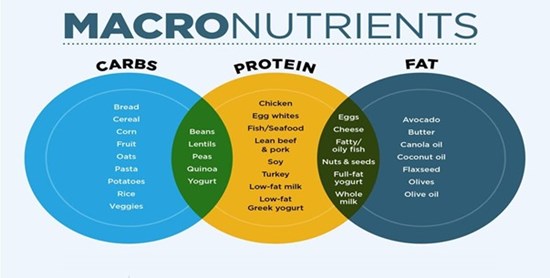
As science evolves, so does our understanding of macronutrients. Macronutrients are the three nutrients we need in the largest amounts: carbohydrates, proteins and fats. They provide energy, support growth, repair tissues and regulate hormones. While each one has a profound impact on health, pairing all three in meals yields the best results. Getting enough of each macronutrient can enhance fullness, stabilize blood sugar and improve nutrient absorption — all key for sustainable health in a busy life. In this article, we’ll break down each macronutrient, explore their roles and look at the benefits of strategic food pairing.
The Essentials of Carbohydrates
Carbohydrates often get unfairly labeled as the enemy in weight management, but they’re vital for fueling daily activities. As one of the three macronutrients, carbs are the body’s preferred quick-energy source, especially during moderate- to high-intensity exercise such as jogging or strength training. They break down into glucose, which powers the brain, muscles and organs. Without enough carbs, you may experience fatigue, poor concentration or mood dips.
Not all carbs are created equally. Simple carbs, like those in sugary snacks, provide fast but short-lived energy. Complex carbs from whole grains, vegetables and fruits offer sustained energy and fiber for gut health. The Dietary Guidelines for Americans recommend that 45-65% of daily calories come from carbs — or 225 to 325 grams for a 2,000-calorie diet, adjusted for activity level.
Carbs provide ample energy on their own, but they work best when paired with other macronutrients. Moderation is key; relying too heavily on refined carbs can lead to blood sugar spikes, while balanced intake supports overall vitality.
Fats: Hormone Health and Absorption
Fats have long been misunderstood and unfairly associated with weight gain, but they’re essential for long-term energy storage and cellular function. Unlike the quick burn of carbs, fats are a dense energy source, making them ideal for endurance activities or longer fasting periods. They form cell membranes, help produce hormones such as estrogen and testosterone and aid in absorbing fat-soluble vitamins — A, D, E and K.
Choosing the right fats is important for long-term health. Unsaturated fats from foods such as avocados, nuts and olive oil support heart health. Saturated fats, found in dairy and meat, are generally fine in moderation. Trans fats, however, should be minimized or eliminated. They’re often found in foods like donuts, cookies, stick margarine and fried foods. For healthy fat intake, the acceptable range is 20-35% of daily calories, or 44 to 78 grams in a 2,000-calorie diet.
Fats add flavor and satisfaction to meals — think olive oil on roasted vegetables or a handful of almonds. They’re also crucial for nutrient absorption; without fats, the body can’t fully use certain vitamins. This is where pairing comes in: fats slow digestion, extending fullness when combined with carbs and proteins.
Protein: Building and Repairing for Longevity
Protein is the macronutrient most associated with muscle maintenance and growth, but its benefits go far beyond that. Proteins repair tissues, support immune function and act as enzymes that drive metabolism. Muscle loss (sarcopenia) increases after age 30, making adequate protein intake essential for movement and strength.
The Recommended Dietary Allowance (RDA) is 1.2 grams per kilogram of body weight, but active individuals and older adults may need 1.6 to 2.4 grams per kilogram. Animal-based proteins like chicken and eggs provide complete proteins, while plant-based options such as beans and tofu can be combined to create complete proteins for vegetarian or vegan diets.
Macronutrient Pairing: Boosting Fullness and Absorption
Combining macronutrients unlocks their full potential. Balanced meals promote satiety by stabilizing blood sugar and signaling fullness hormones. Pairing carbs with protein and fat slows glucose release, preventing spikes that lead to crashes — helpful for people managing diabetes or anyone seeking steady energy.
Pairing also supports nutrient absorption. Fats enhance vitamin uptake from carb-rich vegetables, and proteins help transport minerals. A 2023 study in the European Journal of Nutrition found that high-protein meals paired with carbs and fats increased satiety more effectively than any macronutrient alone. Examples include a salad with quinoa (carbs), salmon (protein/fat) and olive oil dressing or oatmeal with nuts and yogurt.
Some additional meal ideas include:
 |
|
Meal Idea |
Carbs |
Proteins |
Fats |
Benefits |
|
Veggie stir-fry |
Brown rice, broccoli |
Tofu or chicken |
Avocado slices |
Sustained energy, vitamin absorption |
|
Smoothie bowl |
Banana, berries |
Greek yogurt |
Chia seeds |
Quick fullness, gut health |
|
Wrap |
Whole-grain tortilla |
Turkey or beans |
Cheese, olive oil |
Balanced for on-the-go lifestyles |
Practical daily macro strategy:
- Breakfast: Eggs (protein/fat) with whole-grain toast (carbs) and spinach
- Lunch: Quinoa salad with beans (protein/carbs) and nuts (fats)
- Snack: Apple (carbs) with peanut butter (fat/protein)
- Dinner: Grilled fish (protein/fat), sweet potatoes (carbs) and greens
Mastering macronutrients isn’t about perfection — it’s about progress. By understanding carbs as energizers, fats as absorbers and proteins as builders, and pairing them thoughtfully, you can experience greater fullness, better nutrient uptake and sustained energy. Start with one balanced meal today — perhaps that stir-fry — and notice the difference.

About the author
Mr. Davon Randolph is a Fitness and Wellness Specialist in the Slainte Fitness Center at USLI. Mr. Randolph is passionate about helping others learn to enjoy exercising within their own capacity and teaching them that physically pushing their limits can be both fun and rewarding. He is also heavily interested in utilizing corrective exercise to help clients move well for life.