The Power of Open-ended Questions: A Gateway to Deeper Connection

In a world of quick texts, emoji reactions and surface-level small talk, genuine human connection can feel surprisingly rare. One of the most powerful tools for building it is something we already know how to do — ask questions. Not just any questions, but open-ended ones: questions that can't be answered with a simple "yes" or "no," questions that invite someone to open up, reflect and share a piece of themselves they might not otherwise offer.
Open-ended questions work because they shift a conversation from transactional to explorational. When you ask, "How has this year changed you?" instead of "Did you have a good year?" you signal something important: I'm not just making conversation — I'm genuinely curious about you.
Research consistently shows that people feel more valued and understood when others ask thoughtful follow-up questions. This sense of being truly heard builds trust, the foundation of any meaningful relationship — with a partner, a friend, a colleague or even a patient in a clinical setting.
The health benefits of deeper connection are well documented. Loneliness is linked to higher risks of depression, weakened immune function and even cardiovascular disease. Meaningful social bonds, on the other hand, are associated with lower stress, better mental health and greater longevity.
Open-ended questions are a practical, everyday way to nurture those bonds. They slow conversations down, create space for vulnerability and remind both people that they're worth more than a quick exchange. Something as simple as "What's been on your mind lately?" can open a door that changes the entire tone of a relationship.
The good news is that this is a skill anyone can develop. Start small — pick one conversation today and swap a closed question for an open one. Notice what shifts. You may find that the person across from you has more to say than you expected, and that you do too.
In the rush of daily life, open-ended questions are a quiet but profound act of care. They say, “I have time for you. Your story matters.” In saying that, they create the conditions for the kind of connection that supports not just our social lives but our health and wellbeing as a whole.
About the author
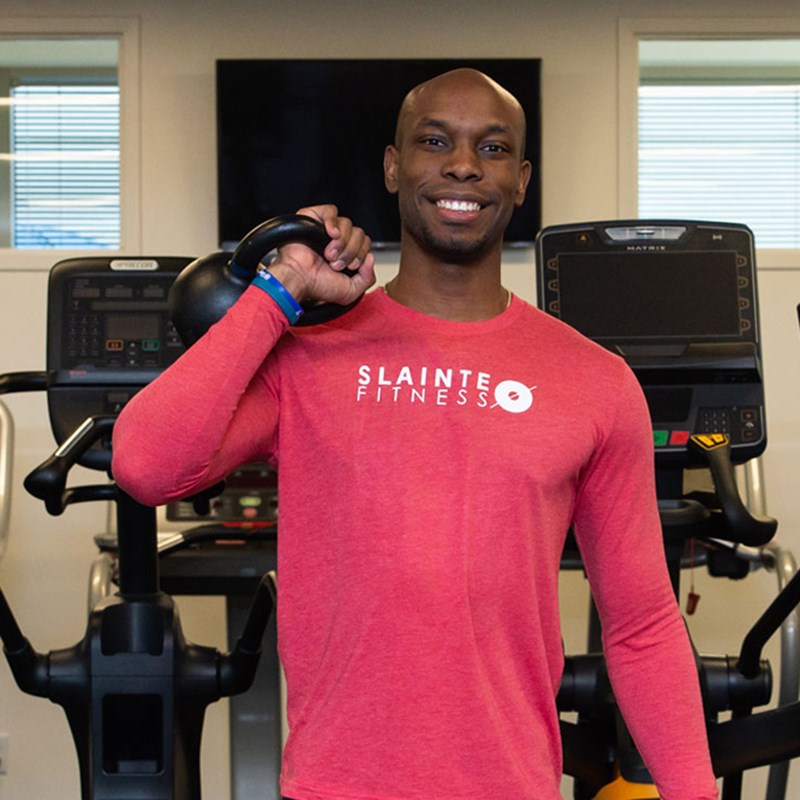
Mr. Davon Randolph is a Fitness and Wellness Specialist in the Slainte Fitness Center at USLI. Mr. Randolph is passionate about helping others learn to enjoy exercising within their own capacity and teaching them that physically pushing their limits can be both fun and rewarding. He is also heavily interested in utilizing corrective exercise to help clients move well for life.